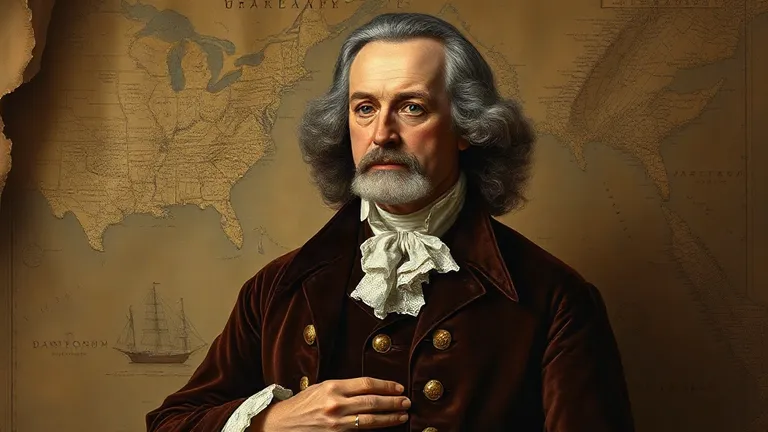
How Geography Shaped John Hancock
Master of New England maritime commerce, he risked enormous wealth and personal liberty to bankroll an unprecedented revolution.
- Stop 1: Cambridge, United States (1754 · Harvard College Scholar)Hancock completed his classical education at Harvard, preparing to enter the lucrative world of colonial mercantile shipping.
- Stop 2: Boston, United States (1768 · Wharf Merchant and Patriot)British customs officials seized Hancock's flagship trading vessel at Boston Harbor, sparking intense public unrest across New England.
- Stop 3: Lexington, United States (1775 · Target of Royal Capture)Warned by Paul Revere, Hancock narrowly evaded capture by British troops marching toward Concord on April nineteenth.
- Stop 4: Philadelphia, United States (1776 · Congressional President)He famously penned his massive signature on the Declaration of Independence so King George III could read it without spectacles.
Geographic Impact: His extensive merchant fleet navigated transatlantic trade routes, while his leadership united colonial seaports into a coordinated resistance movement against crown control.