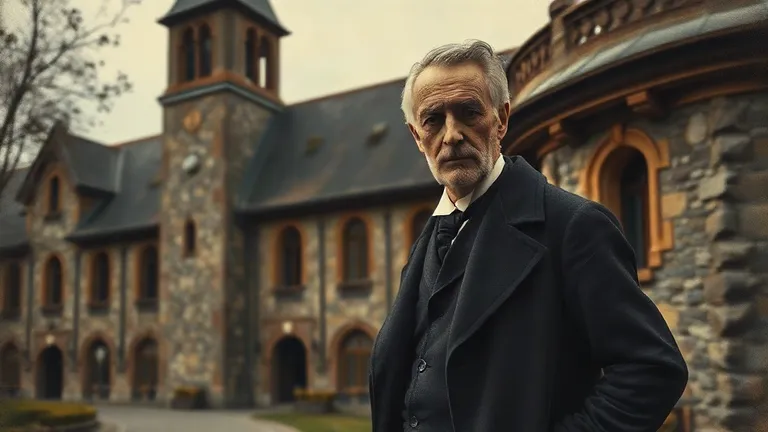
How Geography Shaped Rudolf Steiner
From the Austro-Hungarian borderlands, a polymath crafted a radical worldview bridging spiritual intuition with modern European scientific inquiry.
- Stop 1: Donji Kraljevec, Croatia (1861 · Birthplace Station)Born near a bustling railway line, young Steiner grew up fascinated by both technology and invisible natural forces.
- Stop 2: Weimar, Germany (1890 · Goethe Scholar)Immersed in classic German literature, he spent seven years organizing Goethe's foundational morphological and botanical manuscripts.
- Stop 3: Berlin, Germany (1902 · Philosophical Orator)Lecturing tirelessly across the German capital, he attracted artists and intellectuals to his emerging anthroposophical movement.
- Stop 4: Dornach, Switzerland (1913 · Goetheanum Center)He supervised the construction of a revolutionary organic timber sanctuary that became his movement's global headquarters.
Geographic Impact: Steiner's travel across Central Europe established global networks of Waldorf education, biodynamic agriculture, and expressive arts that reshaped cultural landscapes worldwide.