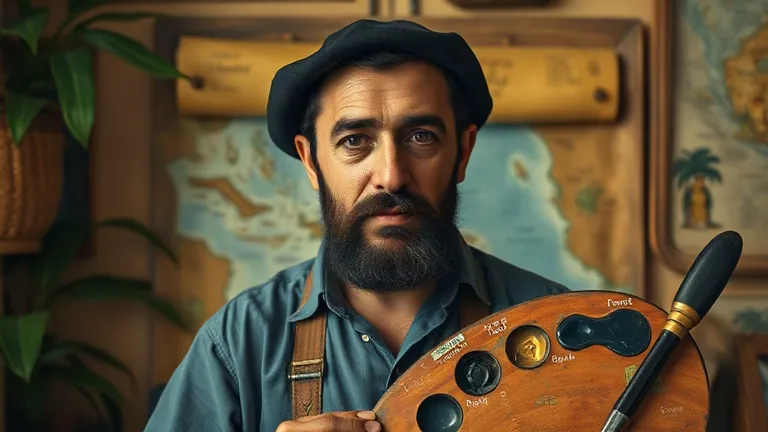
How Geography Shaped Paul Gauguin
Fleeing Parisian modernity, this Post-Impressionist master voyaged deep into Polynesia to paint vibrant, mythic landscapes.
- Stop 1: Paris, France (1848 · European urban roots)Born in Paris, he worked as a successful stockbroker before turning entirely to radical artistic creation.
- Stop 2: Arles, France (1888 · Yellow House studio)He spent two intense months painting alongside Van Gogh before a infamous personal falling-out severed their partnership.
- Stop 3: Papeete, French Polynesia (1891 · Pacific island arrival)Arriving in Tahiti, he sought unfiltered creative inspiration away from industrialized European artistic traditions.
- Stop 4: Atuona, French Polynesia (1903 · Remote Marquesan residence)He painted his final masterpiece canvases in the remote Marquesas Islands, defending indigenous locals against colonial officials.
Geographic Impact: His artistic migration popularized the exoticized visual geography of the South Pacific, reshaping Western artistic perspectives on tropical cultures.