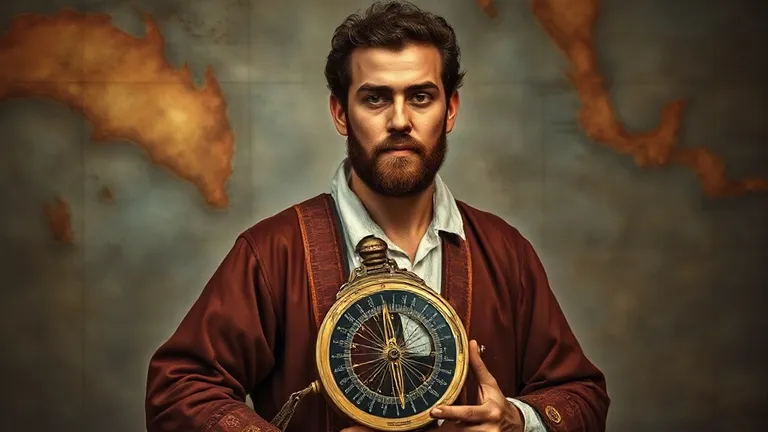
How Geography Shaped Juan Fernández
Sailing far offshore to bypass northbound coastal currents, he revolutionized Pacific trade and discovered uninhabited islands.
- Stop 1: Cartagena, Colombia (1550 · Early Maritime Training)Navigated busy Caribbean and Pacific trade sea routes, gaining mastery over difficult oceanic winds and currents.
- Stop 2: Robinson Crusoe Island, Chile (1574 · Archipelago Discovery Site)Discovered the isolated, uninhabited Pacific islands that would later bear his name during an offshore voyage.
- Stop 3: Valparaíso, Chile (1574 · Record Voyage Destination)Arrived in record time from Callao, proving the immense value of his offshore ocean navigation technique.
- Stop 4: Santiago, Chile (1604 · Final Colonial Years)Died after spending his later years petitioning the Spanish crown for royal grants to colonize his discovered islands.
Geographic Impact: His innovative deep-ocean sailing route cut sea travel times by months and added the Juan Fernández Islands to maps.