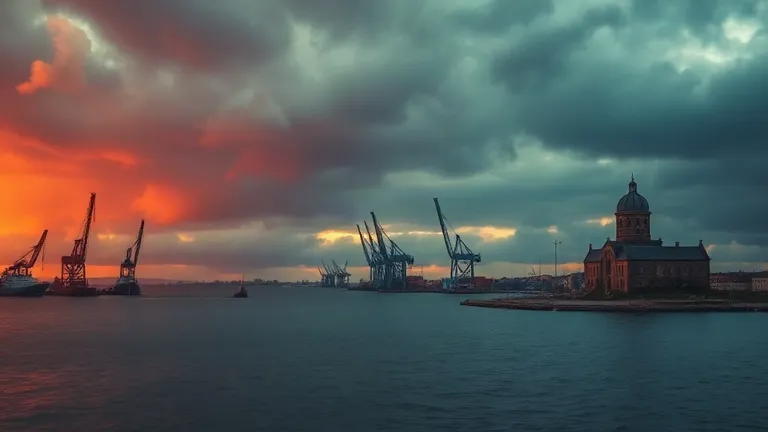
Cut off from the rest of Russia, this Baltic port serves as a critical, isolated outpost of Russian geopolitical influence.
Why Does This Border Oddity Exist?
- Post-WWII SettlementThe territory, formerly East Prussia, was transferred to the Soviet Union following the defeat of Nazi Germany in 1945.
- Soviet ExpansionThe region provided the Soviet Union with a vital, ice-free port on the Baltic Sea for military and trade.
- Dissolution ImpactsWhen the Soviet Union collapsed, the region remained part of Russia, becoming an exclave surrounded by independent Baltic states.
Can You Visit? Access for international travelers requires a specific Russian visa, and transit through neighboring EU countries is strictly regulated.